As a physical therapist at Chiropractic and Physiotherapy Health Centre I have noticed a worrying trend over the past few years—more and more people are walking into our clinic with injuries sustained in the gym from lifting. From lower back pain to shoulder strains and knee issues, many of these injuries share a common cause: improper weight-lifting habits.
Let me be clear—weight lifting is not the problem. In fact, when done correctly, it is one of the most effective ways to improve strength, mobility, and overall health. However, what many people misunderstand is the difference between exercise and bodybuilding. Lifting extremely heavy weights, pushing for one-rep maximums, and training to exhaustion daily is not general fitness—it is bodybuilding, and it requires structured, supervised training.
Unfortunately, many gym-goers try to replicate advanced routines they see online without the proper foundation. One of the most common mistakes I see is people lifting too much weight too soon, which significantly increases the risk of injury. The body needs time to adapt to load, and skipping this progression often leads to strained muscles, ligament injuries, and chronic pain.
Another major issue is training frequency. There is a common belief that the more you train, the faster you will see results. But this is simply not true. Muscles do not grow during exercise—they grow during recovery. Research and clinical guidelines consistently recommend resistance training about 2 to 3 times per week to allow adequate muscle recovery and regeneration.
In my professional opinion, lifting weights more than three times a week—especially for beginners and recreational gym users—is unnecessary and often harmful. When you train intensely every day, your muscles, tendons, and joints do not get enough time to repair. Over time, this leads to overuse injuries, fatigue, and reduced performance. In fact, excessive training without rest has been linked to increased injury risk and poor recovery outcomes.
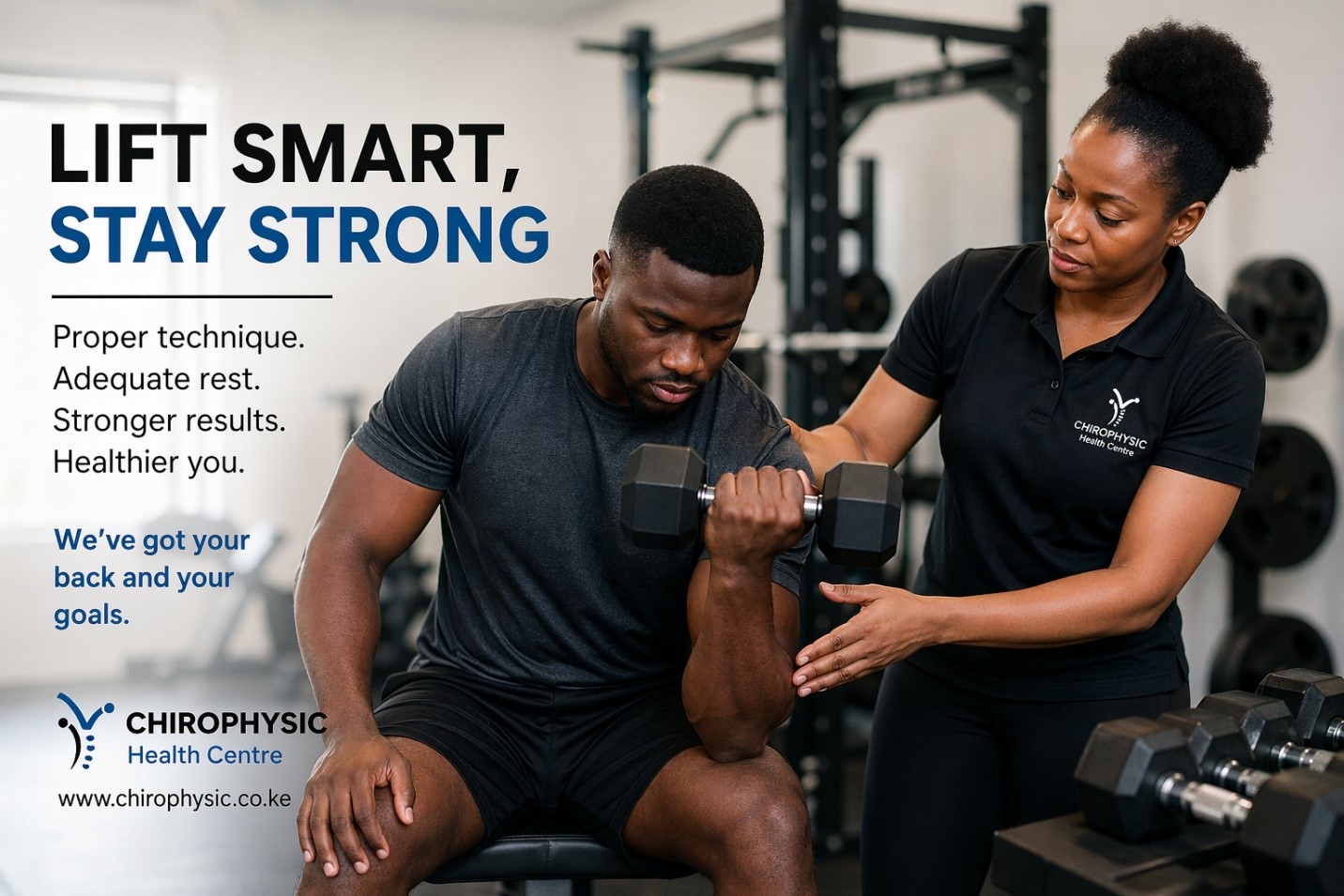
I often tell my patients: rest is part of the training program. Your body needs at least one to two days between weight lifting sessions to recover properly. Without this recovery window, you are not getting stronger—you are simply breaking your body down.
It is also important to understand that lifting heavier weights does not automatically mean better results. For general fitness, moderate weights performed with proper technique are far more effective and safer. Heavy lifting should be reserved for individuals who are specifically training for strength sports or bodybuilding, and even then, it must be carefully programmed.
Another key factor is load management—how much stress you place on your body over time. When training load increases too quickly, the body cannot adapt, leading to inflammation, pain, and injury. This is why gradual progression is essential in any exercise program.
So what should you do instead?
Focus on controlled movements, proper technique, and consistency rather than intensity. Train your whole body, incorporate rest days, and listen to your body when it signals fatigue or discomfort. If you experience persistent pain, swelling, or reduced performance, it may be time to consult a physiotherapist. CLICK HERE TO BOOK AN APPOINTMENT.
At Chiropractic and Physiotherapy Health Centre, we believe that exercise should enhance your life—not interrupt it with injuries. Weight lifting, when done correctly, is a powerful tool for health. But when done incorrectly, it can quickly become a source of harm.
In the end, the goal is not to lift the heaviest weight in the gym—it is to build a strong, resilient body that supports you for life.
Written By:
Dion Njogu,
Physical Therapist
Chiropractic & Physiotherapy Health Centre
Leave a Reply