
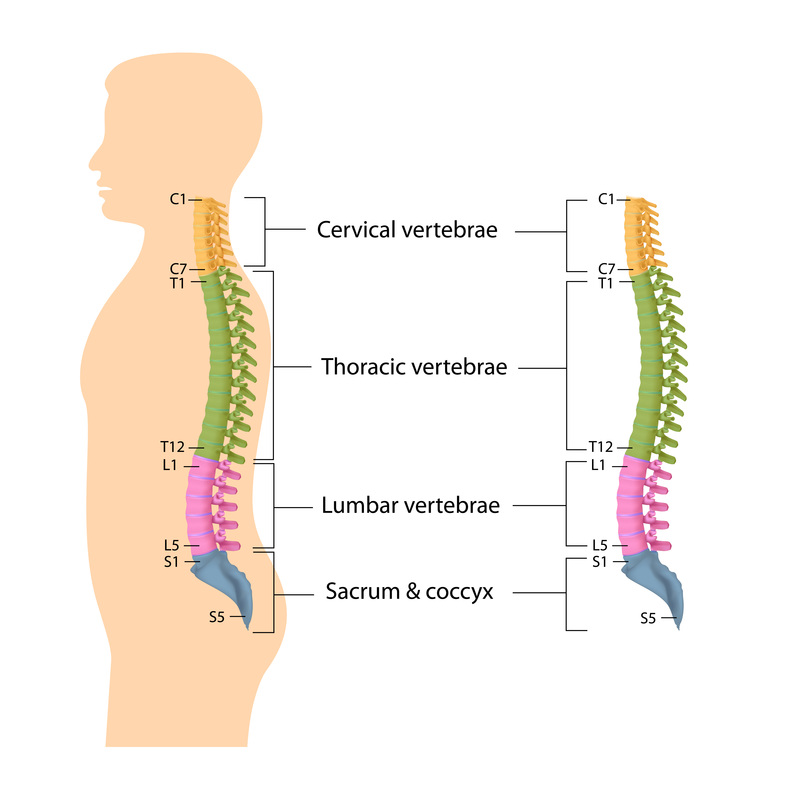
The word ‘back pain’ is so general. It sounds alarming. When it hurts, the natural assumption would be something must be broken or something is wrong. However, it’s good to appreciate the fact that back pain does not equal to damage. Most of the back pain cases are “non-specific” and not linked to structural damage, functioning instead as a hypersensitive alarm system often triggered by stress, fatigue, or poor sleep. The spine which encompasses a good part of your back is very strong than you think. It is made up of bones, discs, ligaments, muscles and nerves that are designed to move and adapt to different positions and stress. It is able to bend, twist, absorb loads and conforms back to its position. Research indicates that people who do not experience back pain may have disc bulges, probably multiple, degeneration on the spinal bones or discs or even extreme arthritis that is visible in MRI imaging. It’s good to appreciate some facts like for instance that spinal changes like disc degeneration are normal. Imaging results do not always correlate with pain.
Pain should be perceived as a protective signal from your body either due to poor sleeping position ,strain on the muscles, past or present injury tightness on the structures on your back including the muscles etc. Rather than rest, remaining active is the most effective way to desensitize the back pain and manage symptoms.
However, ‘Do not ignore’ back pain. Kindly consult your physician, physical therapist or even your chiropractor whenever you experience back pain for assessment, investigations and treatment. Immediate medical attention is recommended for red flags such as loss of bowel/bladder control, saddle anesthesia, or severe leg weakness .Remember, “ if the spine was on your

face,you would take care of it better like you do to our face.”
PT. Danson
