
Your spine matters:School Bags, Sitting, and Screen Time
Instagram
Welcome back to another edition of our Health and Wellness Newsletter! In this issue,
we’re diving into a crucial topic that affects us all, from children to adults: spinal health.
Our spines are the backbone (literally!) of our bodies, supporting our everyday activities.
However, common habits like carrying heavy school bags, extended sitting, and excessive
screen time can take a toll on this vital structure. Read on for practical tips to keep your
spine healthy and aligned.
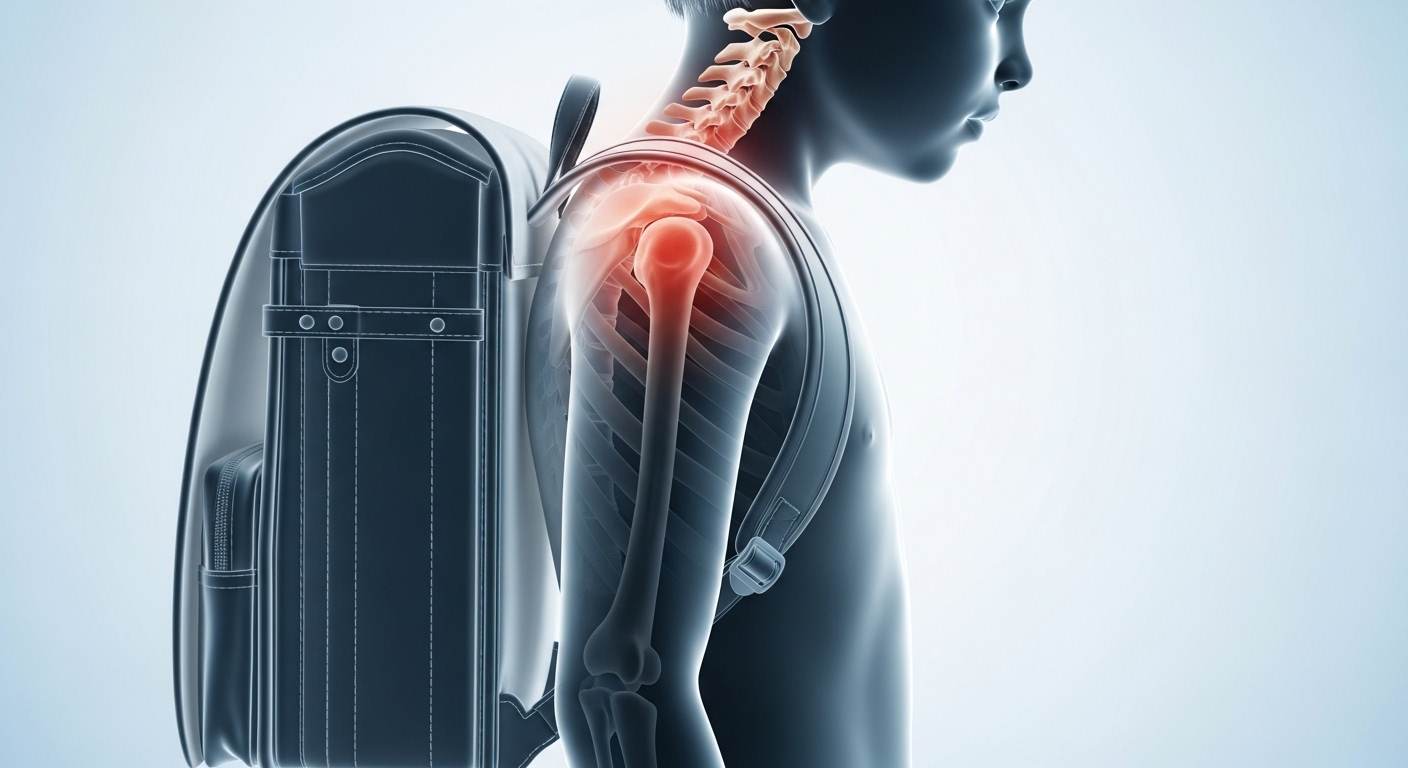
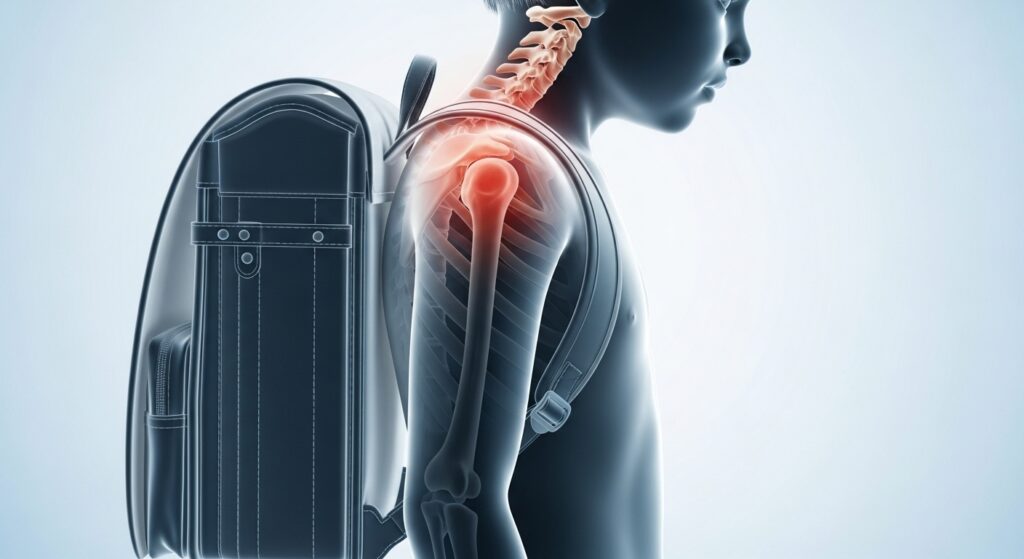
For many students, the school bag is a daily companion, often packed to the brim with
textbooks, binders, and other essentials. While education is paramount, carrying excessive
weight can significantly strain developing spines. A heavy bag can lead to poor posture,
back pain, and even long-term spinal issues. Simple solutions are as follows:
- The 10-15% Rule: Aim to keep the weight of a child’s backpack between 10-15%
of their body weight. Regularly check the bag’s contents and remove any
unnecessary items. - Dual Straps are Key: Encourage the use of both shoulder straps. This distributes
the weight evenly across the back, preventing the spine from curving to one side. - A Perfect Fit: Ensure the backpack fits properly. The straps should be padded and
adjustable, and the bag should sit snugly against the child’s back, not hanging low
below the waist.
In today’s digital age, we find ourselves sitting more than ever before – at desks, in cars,
on the couch. While convenient, prolonged sitting can wreak havoc on our spines. The
static posture can lead to muscle stiffness, poor circulation, and a weakened core.
Therefore its good to encourage the following - Move More, Sit Less: Make a conscious effort to break up long periods of sitting.
Stand up, stretch, or take a short walk every 30-60 minutes. - Ergonomic Alignment: When sitting, maintain good posture. Keep your back
straight, shoulders relaxed, and feet flat on the floor. Utilize a supportive chair
with lumbar support if possible. - Incorporate Activity: Find opportunities to add movement to your day. Take the
stairs, walk or cycle for short errands, or try a standing desk.
Handheld devices, laptops, and televisions are integral parts of our lives. However, the
posture we often adopt while using them – hunched over with necks tilted forward – puts
immense pressure on the cervical spine (neck). This phenomenon, known as “tech neck,”
can cause pain, headaches, and even disc issues.To combat this we need to: - Mindful Posture: When using screens, hold devices at eye level whenever
possible. This prevents excessive neck strain. - Take Frequent Breaks: Look away from the screen every 20 minutes for at least 20
seconds. Focus on something in the distance to relax your eye muscles. - Set Screen Time Limits: Encourage breaks and non-screen activities, especially for
children. Promote outdoor play, reading, or creative hobbies.
By making these simple yet impactful adjustments, we can significantly reduce the strain
on our spines and promote long-term spinal health. Remember, a healthy spine is the
foundation for a vibrant and active life!
Reference:
American Chiropractic Association. (n.D.).
Backpack Safety. Retrieved from
https://www.acatoday.org/Patients/Health-Wellness-Information/Backpack-Safety
Kendall, F. P., McCreary, E. K., Provance, P. G., Rodgers, M., & Romani, W.
(2014). Muscles: Testing and function with posture and pain (5th ed.). Lippincott
Williams & Wilkins.
Straker, L., & Mathiassen, S. (2009). Increased physical work loads in modern
work – a necessity for better health and performance? Ergonomics, 52(10), 1215–
1225.
American Academy of Pediatrics. (2022). Back to sleep, tummy to
play. https://www.aap.org
Dockrell, S., Simms, C., Blake, C., & Egan, B. (2015). Schoolbag weight limit:
Can it be defined? Applied Ergonomics, 47, 247–254.
Leave a Reply