A fall can happen in seconds.
The recovery can take weeks—or sometimes much longer. 🦴
Working in the musculoskeletal space, one thing that continues to stand out is that the injury itself is often only the beginning of the story.
A patient may walk into a clinic after a fall with pain, swelling, stiffness, weakness, bruising, or reduced movement. Sometimes there is an obvious injury that needs immediate medical attention. In other cases, the symptoms may initially appear minor but gradually begin to affect how the person walks, works, exercises, sleeps, or performs everyday activities.
But there is another side to trauma that we sometimes underestimate.
Confidence.
After a fall, people can become afraid of falling again. They may avoid certain movements, put less weight through an affected limb, use furniture for support, or unconsciously change the way they walk.
Over time, these protective behaviours can create new problems.
A person may start compensating through another joint or muscle group. Balance may become poorer. Strength can decline. Mobility can become more restricted. And activities that were once automatic can suddenly require careful thought.
This is where rehabilitation becomes much more than simply “getting rid of pain.”
💡 Recovery is about restoring function, movement, confidence, and independence.
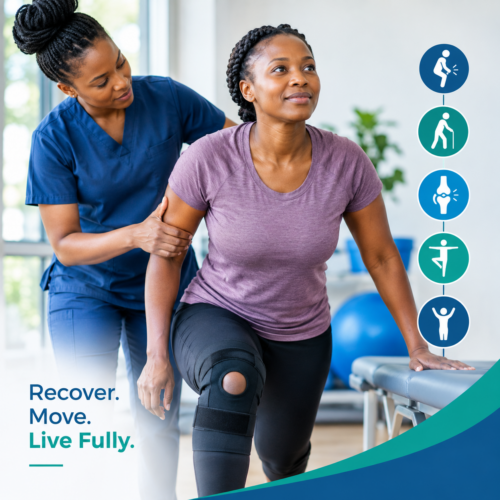
Following trauma or a fall, rehabilitation may involve:
✅ Managing pain and swelling
✅ Restoring joint and soft-tissue mobility
✅ Rebuilding strength and muscular endurance
✅ Improving balance and coordination
✅ Retraining walking and movement patterns
✅ Addressing compensatory movements
✅ Gradually returning to work, sport, and daily activities
✅ Building confidence in movement again
One lesson that continues to stand out in clinical practice is that progress should not always be measured by pain alone.
A patient may tell you, “My pain is much better,” and that is certainly encouraging.
But what happens when they climb stairs?
Can they stand from a chair comfortably?
Can they walk without limping?
Can they reach, bend, lift, or turn without hesitation?
Can they maintain their balance?
And perhaps most importantly—do they trust their body again?
These questions help us look beyond symptoms and assess the person as a whole.
🚶♀️ Functional recovery matters.
For example, someone recovering from a lower-limb injury may have minimal pain but still demonstrate weakness, reduced balance, poor single-leg control, or an altered gait.
If rehabilitation stops simply because the pain has improved, those underlying limitations may remain.
This is why progressive rehabilitation is so important.
The goal is not to keep someone dependent on treatment. The goal is to progressively prepare them to manage real-life demands.
That may mean moving from assisted exercises to active strengthening, from controlled balance exercises to more challenging tasks, and eventually back to normal daily activities or sport.
For older adults, the conversation becomes even more important.
A fall can affect more than physical health. It can influence independence, confidence, social participation, and willingness to stay active.
Fall prevention therefore needs to be considered as part of the recovery process—not only after another fall occurs.
Strength training, balance exercises, appropriate mobility work, safe movement strategies, and awareness of environmental risks can all contribute to reducing future risk.
And there is an important message for families and caregivers too:
Do not assume that slowing down completely is always the safest option.
Appropriate movement and supervised rehabilitation can be an important part of rebuilding strength and confidence after injury.
Of course, not every fall should be managed with exercise alone.
Severe pain, inability to bear weight, significant swelling or deformity, loss of consciousness, neurological symptoms, or other concerning symptoms require appropriate medical assessment. Some injuries need imaging, specialist review, or urgent intervention before rehabilitation begins.
The musculoskeletal team therefore has an important role in recognising when rehabilitation is appropriate—and when further medical assessment is needed.
Trauma can change how someone moves.
A fall can change how someone feels about movement.
But with the right assessment, appropriate rehabilitation, progressive loading, and patient-centred support, recovery can also become an opportunity to rebuild strength, confidence, and independence. 💪
Pain may be the reason someone seeks help, but function is often what they ultimately want back.
That is the part of rehabilitation we should never underestimate.
What has your experience been with recovery after a fall or musculoskeletal injury?
Which part of rehabilitation do you think is most often overlooked—pain management, strength, balance, mobility, or confidence?
Leave a Reply