Have you been dealing with chronic pain for months and have already spoken to your doctor about surgery? The surgery has now been scheduled, and you may find yourself feeling anxious about what comes next. One of the biggest questions on your mind is likely: Will I be able to go back to normal function? How fast will I resume my daily activities?
The truth is that recovery does not depend on surgery alone. Even when you have the best surgeon, your healing process and final outcome are strongly influenced by rehabilitation before and after surgery. Proper physiotherapy and structured exercise programs play a major role in improving recovery speed, reducing complications, and restoring full function.
Why Rehabilitation Before and After Surgery Matters
When a joint or muscle has been affected by long-term pain or injury, the surrounding tissues often become:
- Swollen
- Stiff
- Weak
Because of these changes, the body naturally begins to compensate. This may lead to altered movement patterns such as leaning more to one side, uneven weight bearing, or overusing other muscles to avoid pain. Over time, these compensations can make recovery more difficult if not addressed early.
This is why pre and post-surgical rehabilitation is essential. It helps to:
- Regain function and return to daily life faster
- Reduce dependence on family members and caregivers
- Improve overall physical fitness and mobility
- Minimize post-surgical complications
By preparing the body before surgery and guiding it after surgery, rehabilitation creates a smoother and more effective healing process.
Pre-Surgical Rehabilitation (Prehab)
Pre-surgical rehabilitation, often called “prehab,” should ideally begin at least six weeks before surgery, depending on your condition and your doctor’s advice. The goal is to prepare your body for the stress of surgery and speed up recovery afterward.
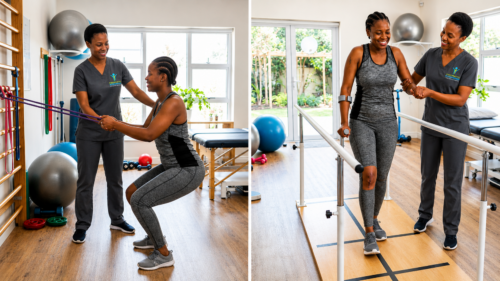
During this stage, a physical therapist may focus on:
- Reducing pain and swelling in the affected area
- Improving joint mobility and flexibility
- Strengthening weak muscles surrounding the injury
- Correcting movement patterns to reduce compensation
A well-designed exercise program helps ensure that your body is in the best possible condition before surgery. This means that after the operation, your recovery is often faster and less painful.
In addition, yoga and gentle stretching exercises can be very helpful. These activities not only improve flexibility but also help calm the nervous system, reduce anxiety, and prepare both the mind and body for surgery. However, this stage must be approached carefully. Exercises should be introduced gradually to avoid worsening symptoms or triggering new injuries. Post-Surgical Rehabilitation After surgery, rehabilitation becomes even more important. The body needs guided support to heal properly, restore movement, and regain strength.
Post-surgical rehabilitation from a physical therapist provides several long-term benefits, including:
- Restoring normal movement in the operated joint or area
- Rebuilding strength in the muscles surrounding the joint
- Reducing pain, inflammation, and swelling
- Guiding a safe return to normal daily activities
Another important role of post-surgical rehab is improving circulation. Early movement, when done safely, helps reduce the risk of blood clots and supports faster tissue healing. Without proper guidance, prolonged inactivity after surgery may slow recovery or lead to stiffness and weakness.
During this stage, patients are also trained on how to use walking aids and supportive devices such as crutches, walkers, or canes. Learning how to use them correctly is important for safety, balance, and confidence while moving during recovery.
Conclusion
Rehabilitation before and after surgery is not optional—it is a critical part of the healing process. While surgery repairs the physical damage, rehabilitation restores strength, movement, and function. By preparing the body before surgery and supporting it after, patients can experience faster recovery, better outcomes, and a smoother return to daily life.
With consistent physiotherapy guidance, patience, and proper exercise, it is possible to regain independence, reduce pain, and improve overall quality of life after surgery.
If you are experiencing lower back pain, buttock tightness, or symptoms that feel like sciatica, our team at Chiropractic and Physiotherapy Health Centre can help assess the real cause and guide you toward the right treatment plan. You can conveniently book an appointment through the online booking page and begin your recovery journey. BOOK NOW
Written By,
Dion Njogu,
Chief Physiotherapist,
Chiropractic & Physiotherapy Health Centre