Most of the time, we experience tension, stiffness, or pain in different parts of our bodies, and our natural reaction is to grimace, wince, or sometimes both. Unfortunately, in today’s busy world, many people do not have the time to visit a physical therapy clinic immediately when discomfort begins.
Pain and muscle tension can develop in various areas of the body, including the neck, upper shoulders, between the shoulder blades (scapulae), lower back, hips, and even the leg muscles. These symptoms may start as a mild ache or tightness but can gradually worsen if ignored. Poor posture, prolonged sitting, repetitive movements, stress, lack of exercise, or strenuous physical activity are common contributors to muscular pain and tension.
When pain is left untreated, the affected muscles can become increasingly tight and sensitive. Over time, the discomfort may spread to surrounding tissues and joints, creating a larger area of pain. In some cases, the pain may even radiate to other parts of the body, making it difficult to identify the original source of the problem. This can lead to reduced mobility, decreased productivity, disturbed sleep, and a lower quality of life.
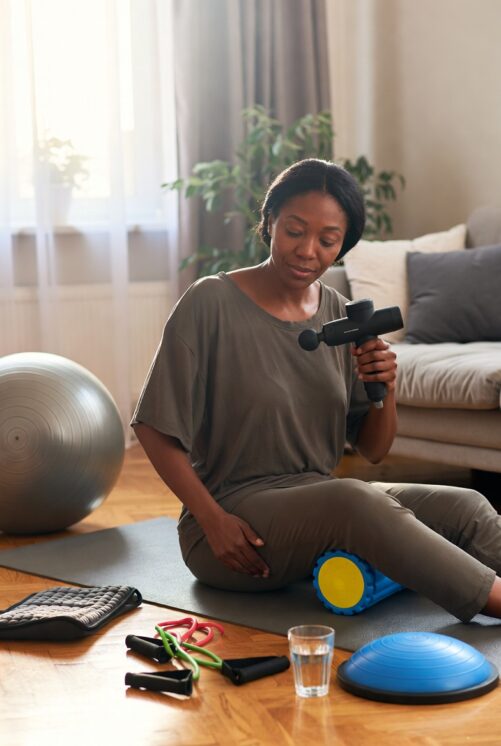
The good news is that there are several simple techniques you can use at home to help manage minor muscle tension and discomfort. Gentle stretching, regular movement breaks, proper hydration, heat therapy, and self-massage can often provide relief. However, if the pain persists, becomes severe, or interferes with your daily activities, seeking professional assessment and treatment is highly recommended. Early intervention can prevent minor aches and pains from developing into chronic conditions that are more difficult to treat.
We would like to see have you try home remedy first before rushing to the chemist or a clinic.
A trigger point is a localized, highly sensitive area within a muscle that can cause pain either at the site itself or refer pain to other parts of the body. These painful “knots” often develop as a result of muscle overuse, poor posture, stress, injury, or prolonged periods of inactivity. When pressure is applied to a trigger point, it may reproduce familiar pain patterns and tenderness that can affect nearby muscles and joints.
Some trigger points are relatively easy to release and respond well to simple self-care techniques, while others can be quite stubborn and may persist for weeks or even months if left untreated. Persistent trigger points can restrict movement, reduce flexibility, and contribute to ongoing discomfort that interferes with daily activities.
Fortunately, there are several effective methods for relieving trigger point tension at home. Simple tools such as a golf ball, tennis ball, foam roller, or massage ball can be used to apply gentle, sustained pressure to the affected area. By slowly rolling over the tender spot and holding pressure for 30 to 60 seconds, the muscle can begin to relax and release accumulated tension. Combining this technique with gentle stretching, proper hydration, and regular movement can further enhance recovery and reduce muscle tightness.
While self-treatment can be very effective for mild cases, persistent or severe trigger points may require assessment and treatment by a physiotherapist or other healthcare professional. Early intervention can help prevent pain from spreading to other muscular structures and restore normal muscle function more quickly.


Tp massage ball pressure point massage ball

The areas which are tender to are worked on for a period of time until the tenderness dissolves. This is a great way of self release especially in the office or at home.
This diagram illustrates the use of a trigger point therapy ball to release tension or tenderness on the mid back and shoulder region.


This is how to release trigger point on the gluts or buttocks muscles using a tennis ball.
This is a great way of relieving heel pain or plantar fasciitis.
This helps in reducing tension of the upper shoulders and it is greatly recommended to people who work in the offices with computers or students who write a lot.
There are ways of relieving pain without using pain killers and muscle relaxants. Try changing your body’s tension by self- releasing regularly. If that does not work please visit a physical therapist to assess your body both in function and strength to determine other causes for your pain.
Ready to feel better and move more comfortably? At Chiropractic & Physiotherapy Health Centre, our team is committed to helping you recover, relieve pain, and improve your quality of life through personalized chiropractic and physiotherapy care. Whether you are dealing with back pain, sports injuries, posture issues, or chronic discomfort, we are here to help. Book your appointment today through our online booking page and take the first step toward better health and wellness: Book an Appointment
By Michael Ombati
Physical Therapist